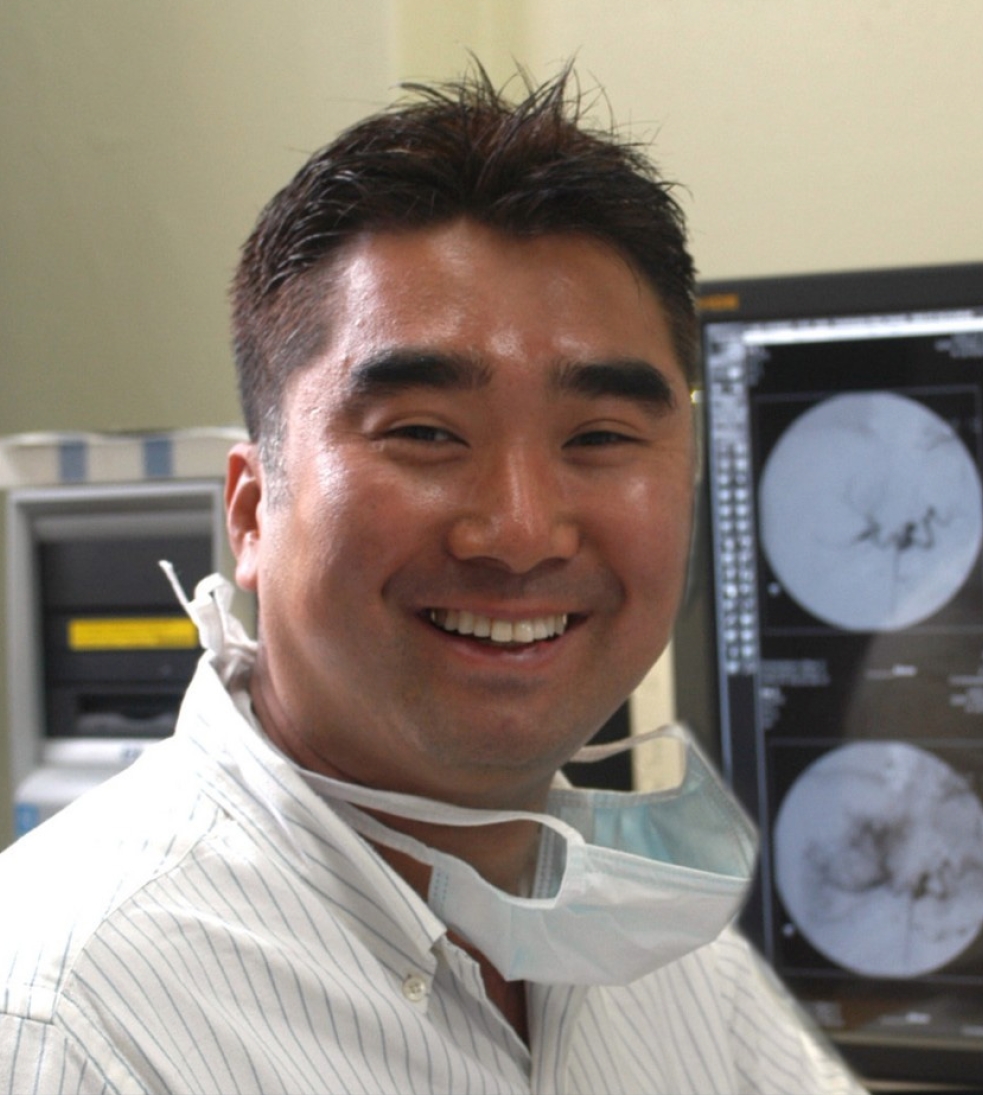
The Korean Society of Interventional Radiology (KSIR) community and beyond mourns the loss of Dr. Ho Jong Chun, Professor of Radiology at Seoul St. Mary’s Hospital, College of Medicine, The Catholic University of Korea, and Director of the hospital’s Cardiovascular and Cerebrovascular Hospital, who passed away on July 8, 2026, at the age of 57 years. A leader of KSIR and President of the Image Guided Endovascular Therapy (IGET) Live Symposium, Dr. Chun was a defining figure in the growth of interventional oncology in Korea, whose work on drug-eluting bead chemoembolization and port-based hepatic arterial infusion chemotherapy (HAIC) for HCC helped establish techniques that are now standard practice throughout the country.
Born in Seoul on March 29, 1969, Dr. Chun earned his medical degree from The Catholic University of Korea and completed his residency in radiology and fellowship training in interventional radiology at St. Paul’s Hospital. He joined the faculty of the Department of Radiology at The Catholic University of Korea, where he spent his career, ultimately at Seoul St. Mary’s Hospital. His early first-author work in Radiology and the American Journal of Roentgenology (2003) on axillary venous access and bronchial artery embolization for hemoptysis already reflected the practical, problem-solving style that would mark his career. He served as a senior professor in the Division of Interventional Radiology and, in September 2025, was appointed Director of the Cardiovascular and Cerebrovascular Hospital of Seoul St. Mary’s Hospital.
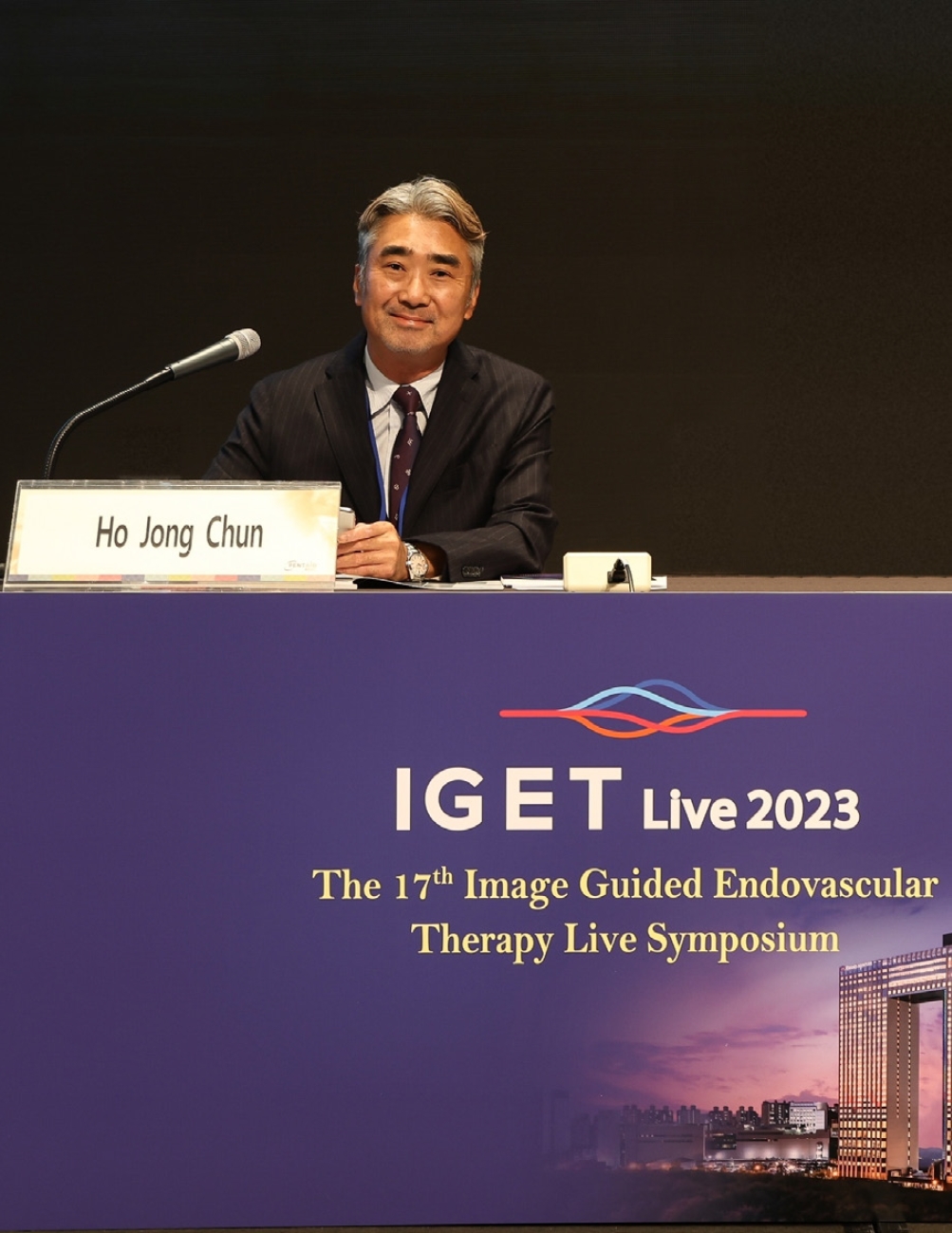
Dr. Chun’s leadership shaped a generation of Korean interventional radiologists. Within KSIR, he served in numerous roles, guiding the society’s scientific programs, training standards, and international engagement. As President of IGET, he built one of Asia’s leading live-course platforms for interventional education, uniting physicians, trainees, and industry to advance minimally invasive therapy. Through the IGET Live Symposium and its live-procedure broadcasts, he brought emerging endovascular and interventional oncology techniques to a broad audience of practitioners across the region, fostering collaboration between interventional radiologists and other specialists and mentoring young physicians who now lead their own programs.
Dr. Chun was, above all, a pioneer of transarterial therapy for HCC in Korea. He was one of the earliest Korean investigators of drug-eluting bead transarterial chemoembolization (DEB-TACE): his comparative studies of doxorubicin-eluting beads versus conventional TACE (Eur J Gastroenterol Hepatol, 2011; J Hepatol, 2012) showed better tumor response and longer time to progression with comparable toxicity, and he later demonstrated the efficacy of DEB-TACE in tumors refractory to conventional TACE (Gut Liver, 2013). He went on to contribute to the Korean multicenter registries of TACE with drug-eluting embolics (J Vasc Interv Radiol, 2017; Korean J Radiol, 2021) and to the multicenter comparisons of small versus intermediate bead size (J Vasc Interv Radiol, 2024; Korean J Radiol, 2024), which together form the national evidence base that guides bead selection today.
He was equally central to HAIC delivered through subcutaneously implanted hepatic artery port-catheter systems. His group refined the technique of port implantation—comparing dual- and mono-port systems (J Vasc Interv Radiol, 2019) and defining the impact of aortoceliac anatomy (Acta Radiol, 2023)—and showed the value of cone-beam CT tumor-perfusion imaging in predicting response after HAIC (Diagn Interv Radiol, 2023). Clinically, he helped build the Korean evidence for HAIC in advanced HCC, from studies in portal vein tumor thrombosis (World J Gastroenterol, 2013) and a randomized study of cisplatin and 5-fluorouracil HAIC (Cancer Chemother Pharmacol, 2015) to comparisons with systemic therapy in the era of targeted and immune agents, culminating in a study of second-line HAIC versus tyrosine kinase inhibitors published in Radiology in 2026.
In radioembolization, he was a co-investigator in the Korean multicenter prospective study of yttrium-90 resin microspheres in HCC (Am J Clin Oncol, 2015), among the earliest Korean prospective experiences with the technique, and later compared TACE and radioembolization for large HCC (Abdom Radiol, 2025)—placing him at the forefront of each successive advance in transarterial therapy: conventional TACE, DEB-TACE, HAIC, and radioembolization. His expertise was embedded in national practice as a co-author of the transarterial therapy chapter of the 2022 Korean Liver Cancer Association–National Cancer Center Korea practice guidelines (Korean J Radiol, 2023).
His contributions were not limited to oncology. He devised practical techniques for central venous access, port and dialysis-access interventions—including the monorail technique for port implantation (Cardiovasc Intervent Radiol, 2017), T-shaped angioplasty for thrombosed loop grafts (J Vasc Interv Radiol, 2013), and para-axial central venous stenting (J Vasc Interv Radiol, 2018)—and he pursued translational research on novel embolic materials and drug-delivery systems with biomaterials scientists. Across a career of more than two decades, he authored over 120 PubMed-indexed publications, remaining scientifically productive to the very end of his life.
Beyond his technical innovations, Dr. Chun was a devoted mentor and educator. Colleagues remember his generosity as a teacher, his calm presence in the angiography suite, and his commitment to his patients and trainees. He trained many of the interventional radiologists now practicing across Korea, and his influence endures in every port implanted, every bead delivered, and every patient whose liver cancer was treated by the methods he helped establish.
Dr. Chun is survived by his family. He will be remembered with respect and deep gratitude by the interventional radiology community he did so much to build.
Fig. 1.Ho Jong Chun, MD (1969–2026)
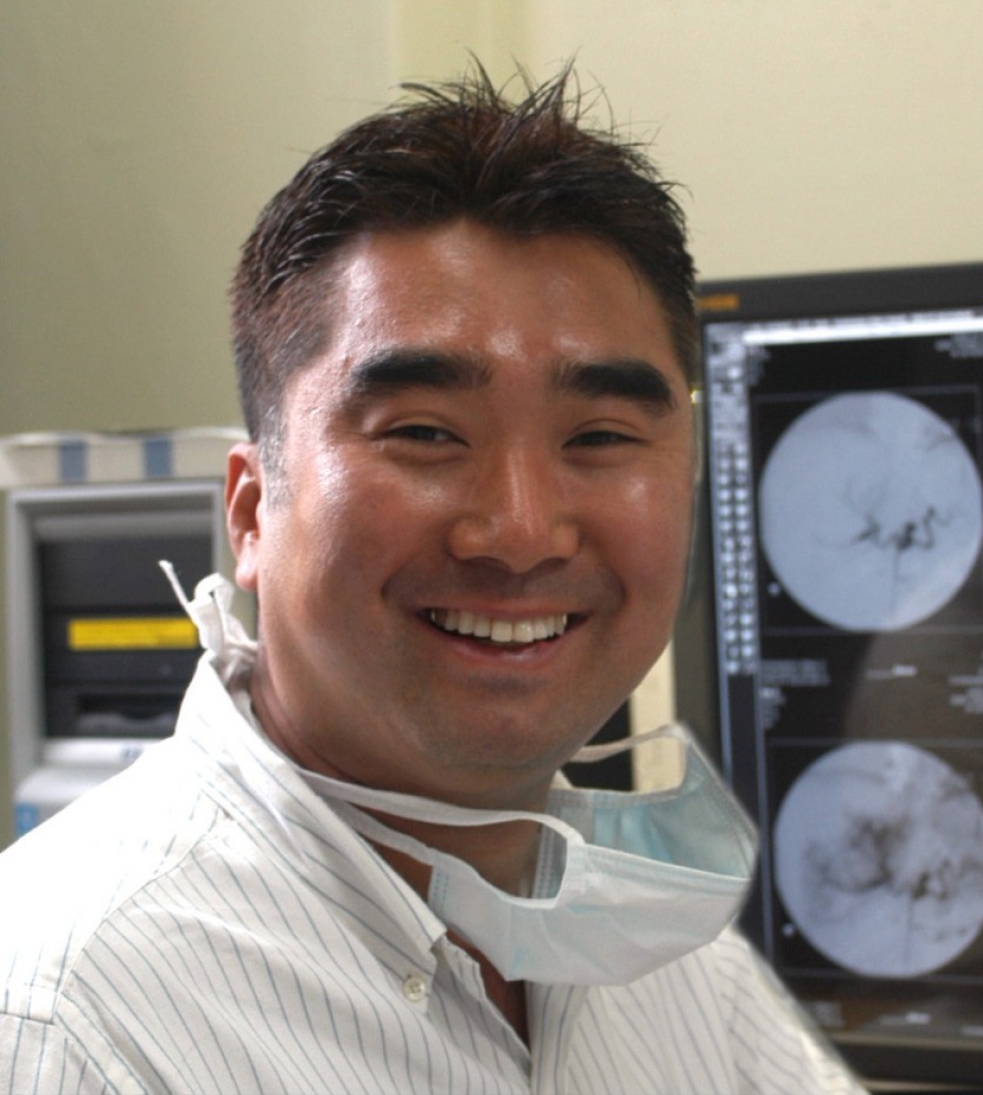
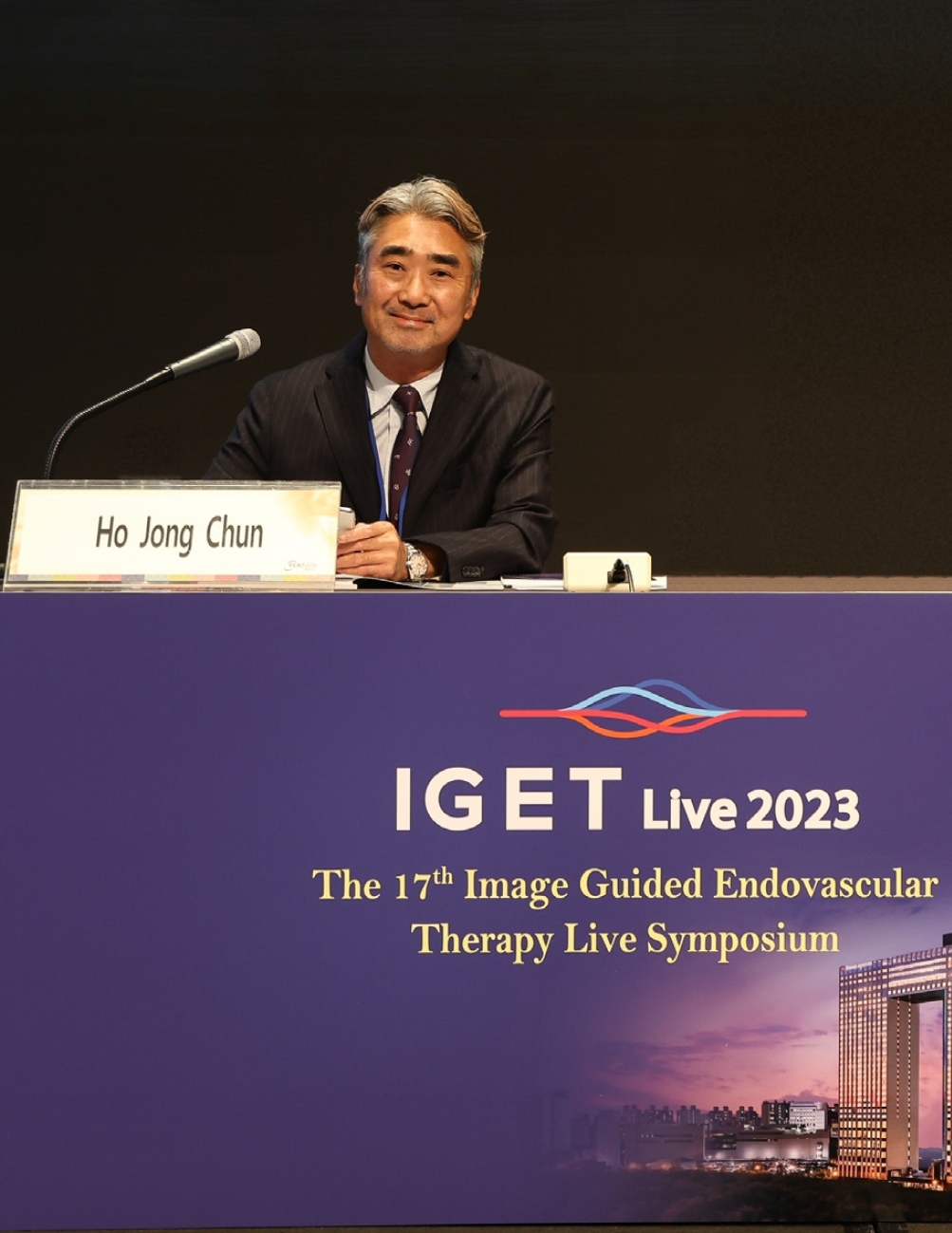
Fig. 2.Dr. Chun presiding over the 17th IGET Live Symposium, 2023
Citations
Citations to this article as recorded by